About
The month we never had.
For years, my mother and I had a plan.
At some point, I would take a month off. She would teach me how to cook her recipes properly. Not just what went into them, but how she knew when something was ready, when to stop, when to adjust, when to trust what was in front of her.
We kept putting that month in the future, the way people do when work is demanding, life is full, and you assume there will still be time.
Then cancer came, and it moved too fast.
We never had that month.
That is where Mijoté really started, although at the time I would not have called it an app. It was grief first. Then cooking. Then, slowly, a way to spend time with the lesson we never got to finish.
Cooking with her rarely felt like a lesson. That was probably why so much of it stayed with us.
What she carried
My mother was from Mont-Louis, in Gaspésie, and cooking had been part of her life from the beginning. She learned from her own mother, Corinne, when she was very young, working the pots at Hôtel Laflamme, a family hotel that was an essential stop for local gastronomy in the 1960s.
She was never formally trained, but she had the kind of instinct that makes food feel obvious once it is in front of you. A sauce was ready because it looked right. A dough needed more flour because it felt wrong. She could follow a recipe, of course, but she was never trapped by it.
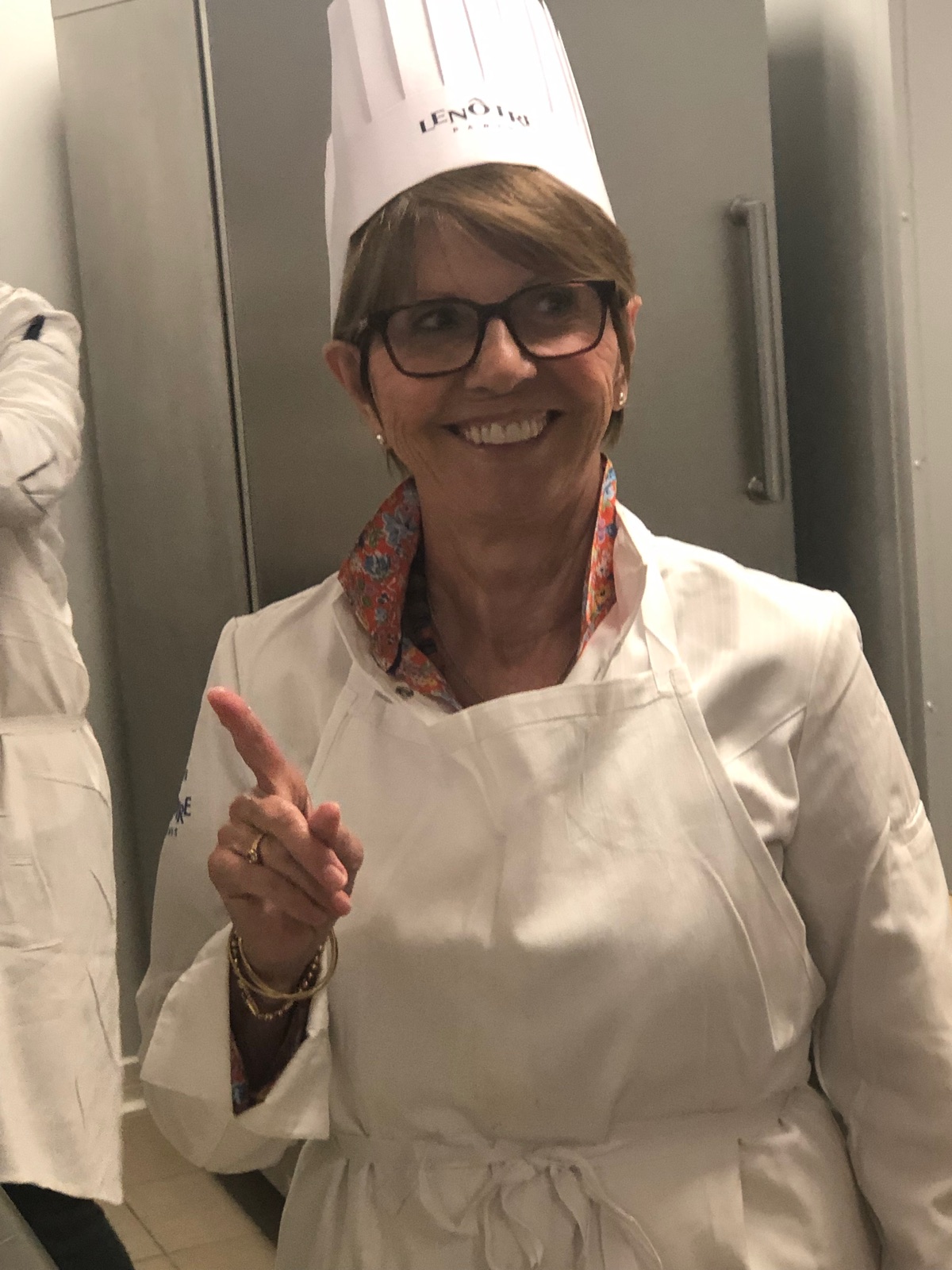
What I admire even more now is that she kept learning. My father would take her to culinary lessons at Le Nôtre in Paris because he knew how much joy it brought her. She already knew how to cook, but she still wanted to get better.
That says a lot about her.
In our family, cooking was not a performance. It was more ordinary than that, and probably more important. It was how she welcomed people, how she paid attention, how she made a house feel full.
The knowledge that almost disappeared
When I was young, I was often around her while she cooked. I asked questions, but if I am honest, I cared more about eating the result than understanding the process.
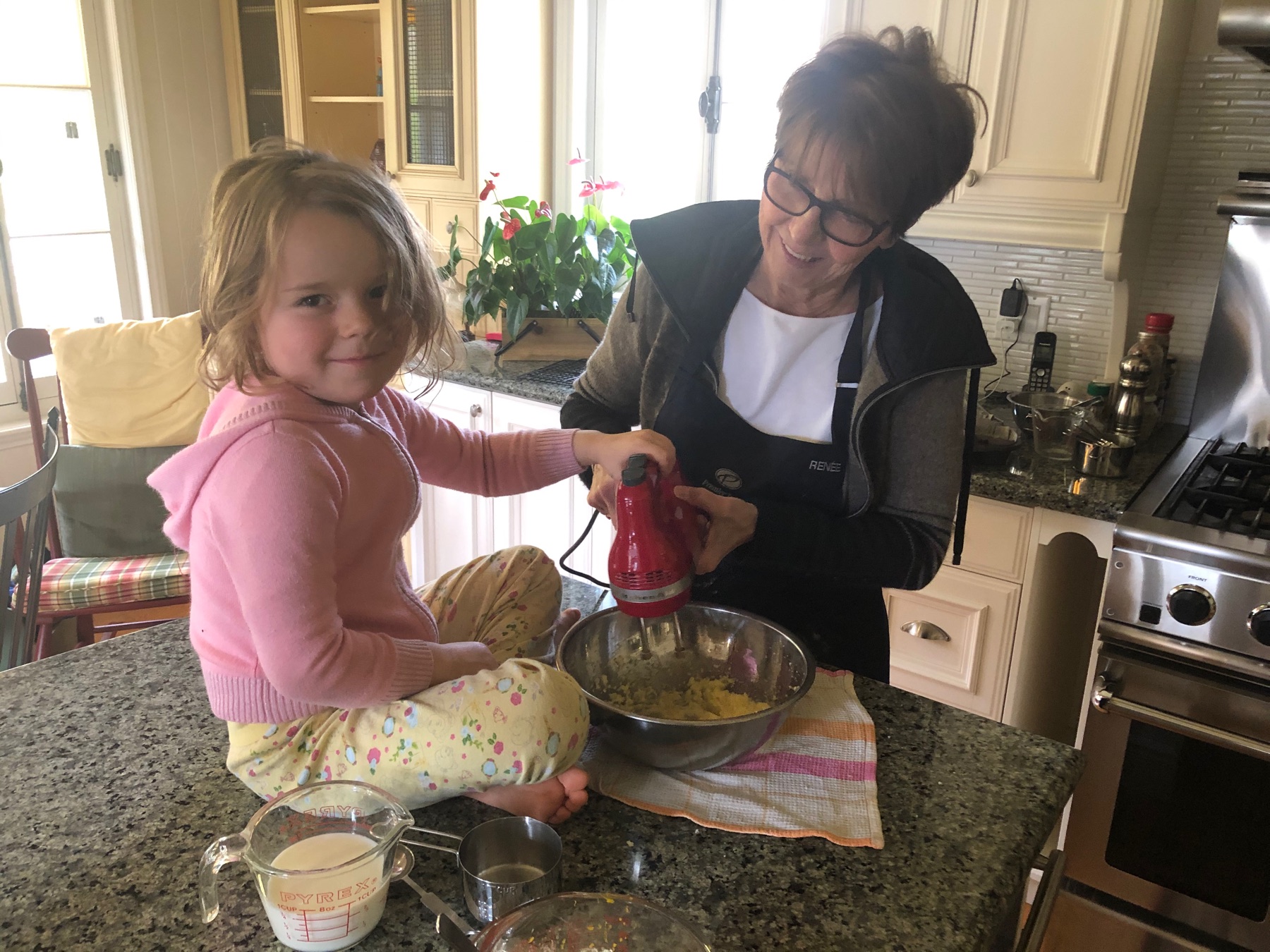
Later, with a family of my own, I watched her cook with my children the same way she cooked with everyone: generously, patiently, naturally. No big speech. No ceremony. Just a child at the counter, a bowl, a spoon, and her hands guiding without making a big deal out of it.
I thought there would be time to learn the rest.
That is the part that stayed with me after she died. Not only the grief, but the realization that some of the most important things she knew had never been written down. They lived in memory, instinct, repetition, and love. By the time I fully understood that, some of it was already gone.
For a while, I carried that as guilt. The month we had always talked about was not only a missed lesson. It was time I could no longer ask for.
Cooking became a way to face that. Not to get the time back exactly, because that is not how grief works, but to return to the place where that time would have happened: the counter, the smells, the small decisions, the act of trying to get something right because it mattered.
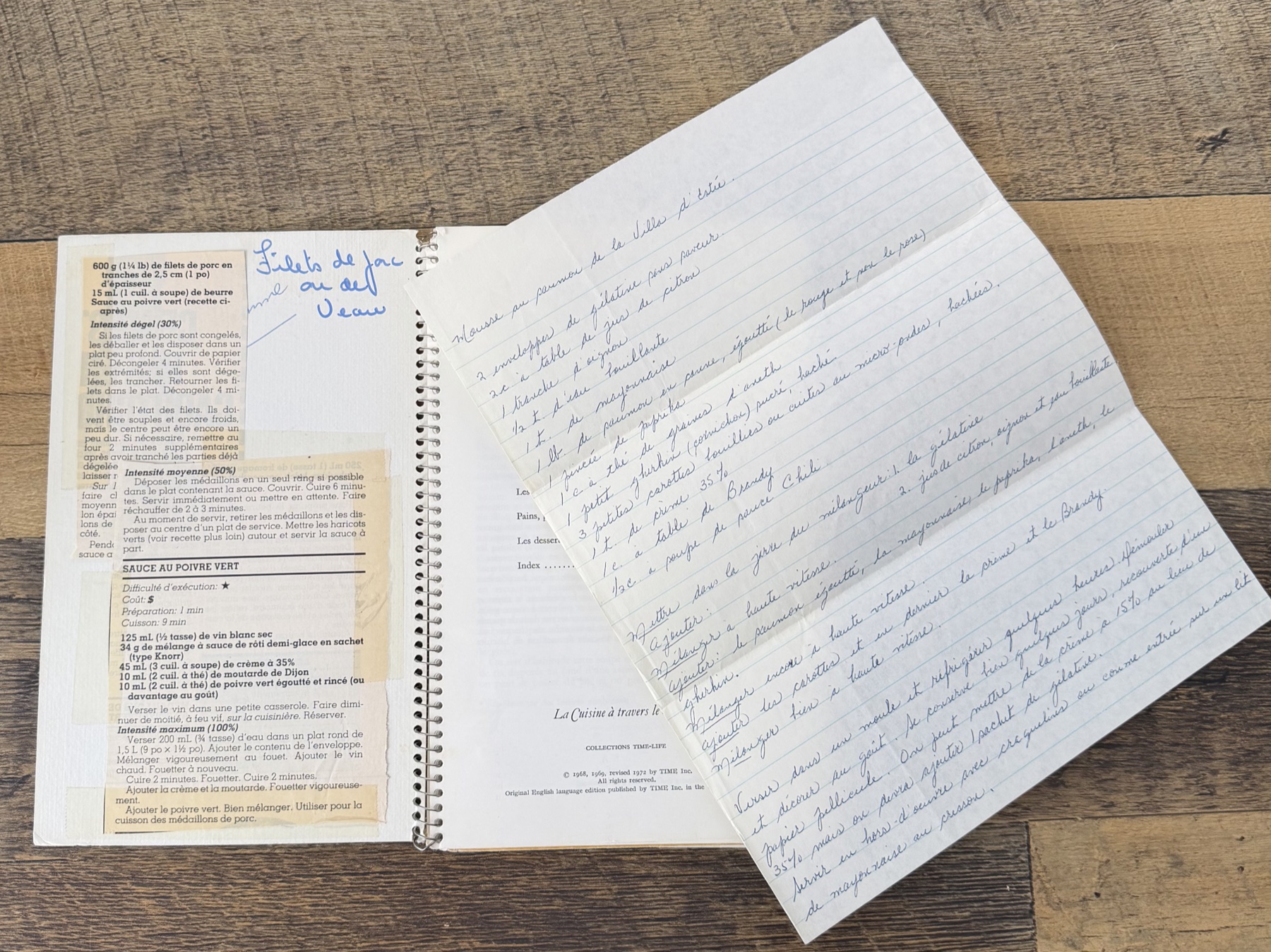
So I started writing down what I could remember: ingredients, gestures, smells, rough timings, dishes my father loved, the things she made without measuring, the details I wished I had asked about sooner.
I used AI carefully as a helper. Not to replace memory. Not to invent a version of her. Just to organize fragments, reason through what was missing, and turn what I remembered into something I could actually test.
But the real work happened at the counter.
I cooked. I tasted. I adjusted. I tried again.
Little by little, cooking helped me grieve. And later, creating Mijoté gave that grief somewhere to go. It became a way to keep working through the unfinished lesson instead of only regretting it.
The first recipe that came back
One of the first recipes I reconstructed was one of my father’s favorites.
When he tasted it, he cried.
I do not think I will ever forget that reaction.
That moment changed the project for me. I understood that I was not only trying to remember something. I was trying to make it cookable again.
A recipe is not finished when it is written down. It becomes real again when someone makes it. Then it changes. Someone corrects it. Someone adds a note. Someone replaces an ingredient because that is what they have in the house. Someone teaches a child. Someone brings it to another table.
That is how recipes stay alive.
Not because we protect them from change, but because someone keeps cooking them.
From memory to software
At first, I was not trying to build a product. I was trying to solve a very practical problem in my own kitchen.
I had recipes in PDFs, old books, screenshots, notes, printouts, and half-remembered conversations. I cooked from my iPad with flour on my hands, jumping between ingredients and steps, losing my place, waking the screen back up, and ending up with more versions than I could manage.
After years of building very large things with very large teams, I found myself building something small again.
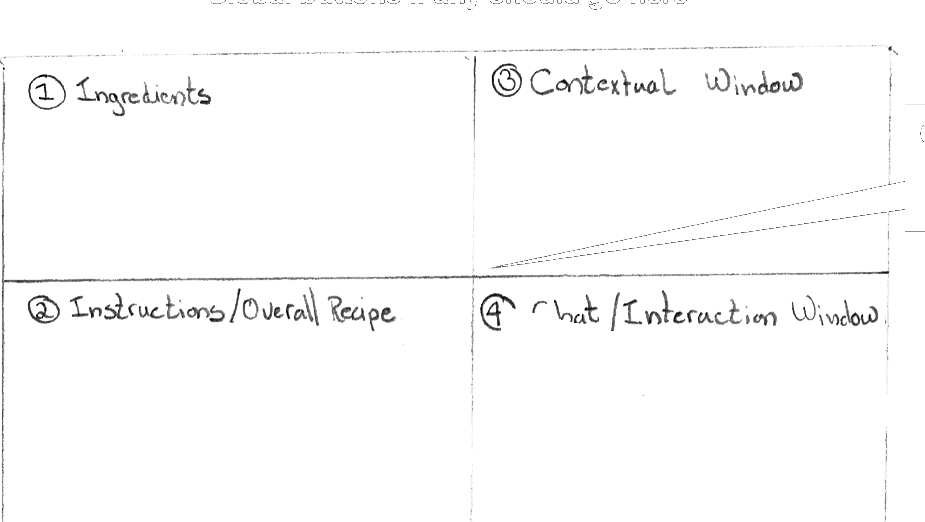
The first thing I wanted was simple: a cooking view that worked at the counter. Ingredients and steps together. The whole recipe in sight. A screen that stayed awake while my hands were busy.
That became Cook Mode.
The rest of Mijoté grew from use. Import came from the messy places recipes already live. Notes came from cooking the same dish more than once. Versioning came from family feedback. Sharing came from the simple fact that a recipe you cannot pass on still feels unfinished.
What Mijoté is for
Mijoté is not an attempt to preserve a person in software.
No app can do that.
My mother is not in a recipe database. She is in the people she fed, the habits she gave us, the standards she quietly held, and the joy she found in continuing to learn.
What Mijoté can do is smaller, but still meaningful.
It gives recipes a place to keep moving.
In a world where ready-made food is always within reach, I hope Mijoté can also help people rediscover the pleasure of making food for themselves, and of sharing the discoveries they make along the way.
A place for the notes in the margin, the corrections after dinner, the substitution that worked better, the version your family now prefers, the dish you are still trying to get right, and the recipe you hope someone else will cook one day when you are not beside them.
Mijoté is software, but it started as a way to keep cooking through grief.
A way to return, imperfectly, to the month we never had.
And maybe to help other people hold on to the recipes, notes, gestures, and small pieces of time they do not want to lose.
Mijoté is made by Atelier Mijoté.